
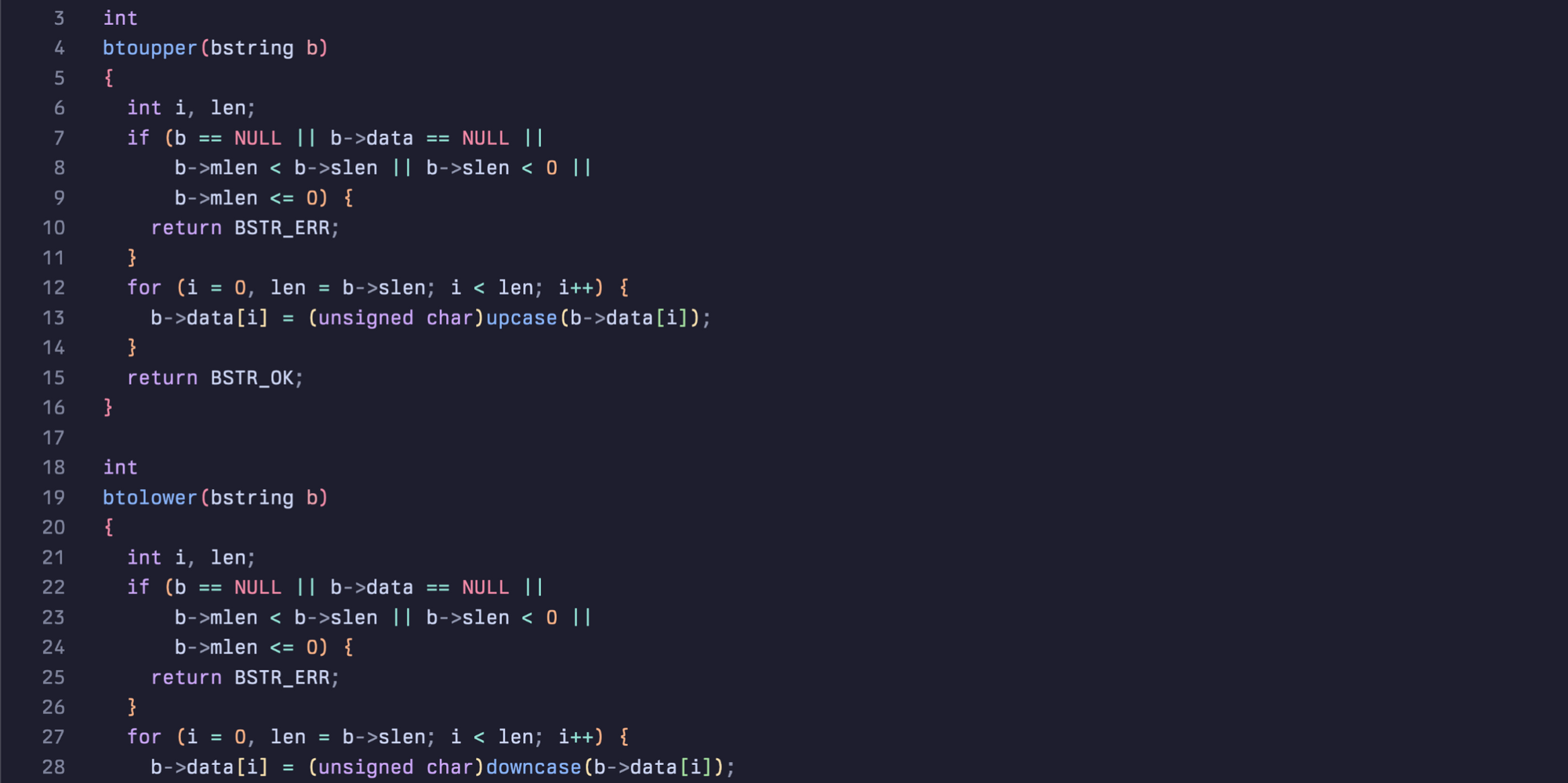
You know that feeling. You’re three hours deep into a Friday night, or maybe a Saturday morning, and you finally crack it. That elusive JavaScript function. That clean API wrapper. That elegant authentication flow that took you four iterations to get right. You sit back, admire your work, and save the file to a folder on your desktop.
And there it sits. Gathering digital dust.
For most developers, that’s the end of the story. But for a growing number of programmers in Los Angeles and beyond, it’s just the beginning. The rise of code marketplaces has fundamentally changed how developers think about their intellectual property. That snippet you wrote for one project could be the solution another developer across the country is desperately searching for right now.
The Shift from Employee to Entrepreneur
The tech industry has spent the last decade championing the "gig economy" for drivers and delivery people. But for developers, the gig economy has largely meant contract work—trading hours for dollars, just with less job security and no benefits.
But what if you could build an asset? What if the code you write today could generate revenue six months from now while you sleep?
This is the promise of platforms like Dotartisan, a marketplace built specifically for programmers who want to monetize their expertise. And in a city like Los Angeles, where the cost of living demands multiple income streams, it’s a concept that’s gaining serious traction.
"We’re seeing a shift in developer mindset," notes a trend report from the coding community. "Developers are realizing that their value isn't just in their time, but in their intellectual property. A well-documented script or a robust library can be sold dozens, even hundreds of times."
Why Your Code Has Value (Even If You Think It Doesn’t)
If you’re a developer, you’ve probably looked at your own work and thought, "It’s nothing special. Just a utility script." But here’s the truth: what’s obvious to you is magic to someone else.
Consider the junior developer at a startup in Santa Monica. They’ve been tasked with integrating a payment gateway, but they’ve never touched Stripe’s API before. They could spend two days reading documentation, making mistakes, and finally getting it working. Or, they could spend forty dollars on a well-structured, pre-built integration that does 80% of the work for them, giving them a foundation to build upon.
That forty dollars goes to you. And if five people buy it this month, that’s two hundred dollars for work you already did.
This isn't about selling "hello world" scripts. It’s about selling solutions. Authentication boilerplates. Data visualization components. Custom WordPress functions. Mobile UI kits. If it solves a problem, someone will pay for it.
The Global Demand for Quality Code
The demand for pre-written code is exploding globally. While the open-source community provides incredible resources, there’s a massive gap between "free and unsupported" and "enterprise license." Developers and small businesses often fall into this gap. They need something more reliable than a random GitHub repo with no documentation, but they can’t justify the cost of a full-scale enterprise solution.
This is where curated code marketplaces come in. By providing inspected, quality-assured code, these platforms offer a middle ground that’s affordable and reliable.
Interestingly, the concept has gone global. One prominent code marketplace, PieceX, which operates out of Tokyo and Santa Monica, has positioned itself as an "AI-driven B2B marketplace" for source code, serving over 200 countries . Their presence in Southern California underscores that Los Angeles is a critical hub for this emerging industry. They emphasize that reusing code can "reduce development cost and time by 80%" . For a startup burning through venture capital, that kind of efficiency isn't just nice—it's necessary.
Beyond the Sale: Building a Reputation
Selling code isn't just about the passive income, though that’s certainly a draw. It’s about building a professional reputation.
When you list a project on Dotartisan, you’re creating a public portfolio piece that demonstrates not just that you can code, but that you can code cleanly, document thoroughly, and solve real-world problems. Buyers leave reviews. They ask questions. They might hire you for custom work.
This is the hidden value of code marketplaces. They function as lead generation tools. A developer who buys your $25 React component and sees that it’s well-supported might reach out to you for a $5,000 consulting gig to build out their full application.
"Developers should think of code marketplaces as a storefront for their skills," explains a hypothetical senior developer familiar with the space. "The snippets are the appetizers. The real meal is the ongoing relationship and the custom development work that follows."
What Sells? A Guide for LA Developers
If you’re based in Los Angeles and looking to start selling, you have a unique advantage. You’re in a city with a massive concentration of media, entertainment, and e-commerce companies. The needs of these industries shape the market.
Here are a few categories that consistently perform well on code marketplaces:
Entertainment & Media Tools: Scripts that interact with video streaming APIs, subtitle generators, or tools for processing high-res images.
E-commerce Integrations: Custom Shopify plugins, WooCommerce extensions, or payment gateway bridges that account for California-specific tax laws.
Mobile UI Kits: Given LA’s app development scene, clean, responsive UI kits for iOS and Android are always in demand.
CRM Utilities: Tools that extend the functionality of popular CRMs like HubSpot or Salesforce, particularly those tailored for real estate or agency client management.
Getting Started: From Local Repo to Global Product
Ready to turn your code into cash? The process is simpler than you might think, but it requires a shift in mindset from "coder" to "product manager."
Step 1: Identify the Problem
Look at your own work history. What tasks do you do over and over again? What questions do junior developers ask you constantly? That repetition is a market signal. If you’ve solved the same problem three times, someone else is facing it for the first time right now.
Step 2: Clean It Up
This is the step most developers skip. You can’t sell a messy script with variables named $a and $b. Refactor your code. Make it readable. Add comments. Assume the person buying it has half your experience, so document it like you’re teaching a class.
Step 3: Write the Documentation
Good documentation is what separates a $5 script from a $50 script. Include installation instructions, configuration options, and examples. If your code requires an API key, explain exactly how to get one. The easier you make it for the buyer, the more they’ll pay for the convenience.
Step 4: Choose Your Platform
While there are generic marketplaces, specialized platforms like Dotartisan offer the advantage of a targeted audience. You’re not competing with t-shirt designs and stock photos. You’re in a community of developers, for developers.
Step 5: Price It Right
Start competitive. Look at similar offerings. If you’re unsure, start on the lower end to build reviews, then raise your prices as your reputation grows. Remember, you’re not just selling code; you’re selling time savings. If your code saves a company ten hours of developer time at $100 an hour, charging $50 is a bargain for them and a win for you.
The Future of Development is Modular
The days of building everything from scratch are ending. The complexity of modern software development makes that approach untenable. The future is modular, composable, and collaborative.
Low-code and no-code platforms are gaining popularity, but they have limitations. They can’t handle the truly custom, complex logic that businesses need. That’s where traditional developers and code marketplaces intersect. Platforms like PieceX recognize this trend, noting that "low-code platforms are transforming software development," but they ask a provocative question: "What if you could start with pre-built, high-quality source code instead?" . That’s the sweet spot.
By participating in a code marketplace, you’re not just making a few extra bucks. You’re positioning yourself at the forefront of how software will be built in the next decade. You’re contributing to an ecosystem where developers stop reinventing the wheel and start building on each other’s shoulders.
Don't Let Your Code Retire With You
Every developer has a graveyard of unfinished projects and useful snippets. It’s time to resurrect them. That script you wrote to automate your deployment process? Package it. That login system you build for every client? Strip out the proprietary stuff and sell the core.
Your code has value beyond the project it was written for. It has value to the developer in Chicago who needs to ship a prototype by Monday. It has value to the freelancer in London who’s building a site for a bakery. It has value to the startup in Austin that’s running out of runway and needs to move fast.
The only person not seeing that value right now is you.
Ready to Build Your Portfolio and Your Income?
If you’re a developer in Los Angeles or anywhere else, the opportunity is waiting. You don’t need permission. You don’t need a business degree. You just need to package what you already know how to build.
Stop treating your code like a byproduct of your job. Start treating it like the asset it is. Join a community of developers who are turning their expertise into ongoing revenue.
Explore Dotartisan today and see what your code is really worth. Whether you’re looking to sell your first snippet or find the perfect pre-built solution for your next project, we’re here to help you build smarter.
Comments (0)